Skip to content

Table of Contents
You might see a dark spot on your cheek and think it’s from years of sun exposure. However, it could be something else, as several skin conditions can look very similar.
At Truth Medspa, we help patients searching for hyperpigmentation treatment Lakewood CO figure out exactly what they are dealing with before recommending IPL Treatments or any other approach. Telling these conditions apart from a mirror alone is harder than most people expect.
What Is Sun Damage, Specifically
Sun damage refers to visible skin changes caused directly by cumulative UV exposure over time. It commonly shows up as:
- Flat brown spots or freckling
- An overall uneven, weathered texture
- Discoloration concentrated on the areas most exposed to the sun, like the face, chest, and hands
If you’ve spent a lot of time outside without regular sun protection, sun damage is often the first thing you think of, and for good reason. Years of sun exposure, even without noticeable sunburns, can slowly lead to the kind of discoloration many people link to aging instead of the sun.
What Is Hyperpigmentation, and How It Differs
Hyperpigmentation is a broader term for any area of skin that appears darker than the surrounding tone, regardless of what caused it. Sun exposure is one common cause, but it is far from the only one:
- Inflammation from past breakouts or skin irritation
- Hormonal changes, which can trigger conditions like melasma
- Scarring, which can leave darker marks behind as it heals
This means sun damage is actually one kind of hyperpigmentation, not a separate condition. That’s why people often mix them up. Knowing that hyperpigmentation is the broader term, not just another word for sun damage, helps you tell them apart.
Key Visual Differences to Look For
There are some patterns that can help you figure it out, but none of these are guaranteed:
- Sun damage often appears as flat, evenly colored brown spots concentrated specifically on sun-exposed areas
- Post-inflammatory hyperpigmentation tends to show up wherever a previous blemish, cut, or irritation occurred, regardless of how much sun that area actually gets
- Melasma often looks like larger, symmetrical patches, frequently appearing on the cheeks or forehead
Want to know which type of pigmentation you have? A quick consultation can give you answers much faster than trying to figure it out on your own.
Why the Two Conditions Are Often Confused
It’s actually common to have more than one type of pigmentation on your skin at once. For example, sun damage and melasma can appear together on your face and may look very similar, making it even harder to tell them apart on your own.
Both types can look almost the same without a closer look from a professional. That’s why trying to diagnose yourself based on appearance alone can lead to the wrong treatment, and you might spend months on something that doesn’t actually help.
Why the Distinction Matters for Treatment
Different types of pigmentation don’t always respond to the same treatment. Some, like melasma, need a gentler approach than sun damage, because strong treatments can sometimes make melasma worse instead of better.
A provider assessment is what actually identifies which type of pigmentation is present before recommending a specific treatment path, whether that ends up being IPL Treatments, a photofacial approach, or something else entirely. Skipping this step and choosing a treatment based on assumption alone is one of the more common ways people end up frustrated with results that never quite arrive.
How a Professional Assessment Identifies the Difference
A visual skin assessment during a consultation remains the most reliable way to distinguish between these causes. Trying to sort this out from a mirror or an online search only goes so far.
During an assessment, providers typically look at:
- Your skin history and how long the discoloration has been present
- Your sun exposure patterns over time
- Whether hormonal changes might be playing a role
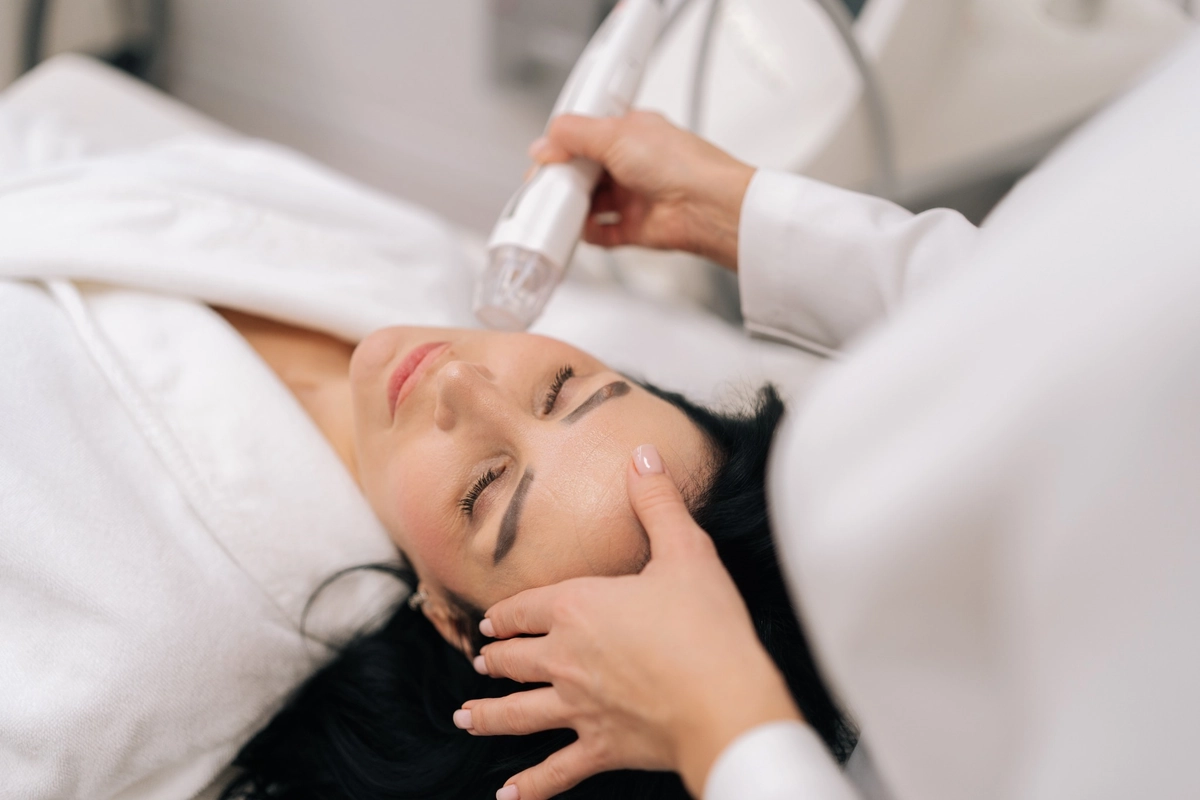
This assessment is also what determines whether a treatment like IPL Treatments, sometimes called intense pulsed light or broadband light therapy, is appropriate for the specific type of pigmentation you actually have. This kind of photofacial therapy for sun damage and dark spots works by using broad-spectrum light to target pigmented tissue directly, which is why targeting uneven skin tone and sun spots tends to respond well to this approach when sun damage is the primary driver.
Frequently Asked Questions
Can sun damage and hyperpigmentation occur at the same time?
Yes, it is common for someone to have sun damage alongside another form of hyperpigmentation, like post-inflammatory marks or melasma, all showing up on the same skin.
Does treatment differ depending on which type of pigmentation you have?
Yes, treatments can be quite different. What helps with sun damage might not work for melasma, which is why getting an accurate assessment first is so important.
Is melasma the same thing as sun damage?
No, melasma is a separate condition that’s often related to hormones, although sun exposure can make it worse. It usually looks different from sun damage, often showing up as larger, more even patches.
Can IPL treat more than just brown spots and sun damage?
Yes, IPL can also help with reducing stubborn facial redness and certain vascular concerns, since the technology responds to both pigment and blood vessels beneath the skin. A consultation can confirm whether IPL is the right fit for your specific combination of concerns.
Is it sun damage or hyperpigmentation, and how can you tell?
Sun damage is a type of skin discoloration caused by UV rays. Hyperpigmentation is a broader term that includes sun damage, but also covers other causes like inflammation, hormones, and scarring. Knowing which one you have is important for picking the right treatment.
Getting a Clear Answer for Your Skin
Figuring out whether you are dealing with sun damage, hyperpigmentation, or a combination of both is not something you need to guess at. At Truth Medspa, we offer a pigmentation correction treatment in Lakewood, CO that starts with actually identifying what is going on with your skin, not assuming based on appearance alone.
Whether you are rejuvenating dull skin with light-based skin therapy or exploring photofacial therapy for vascular concerns, our IPL Treatments can help with reducing stubborn age spots and improving overall skin clarity, depending on what your assessment shows. Contact us to get started.
Book your IPL Treatments session when you are ready to find real answers for your skin.